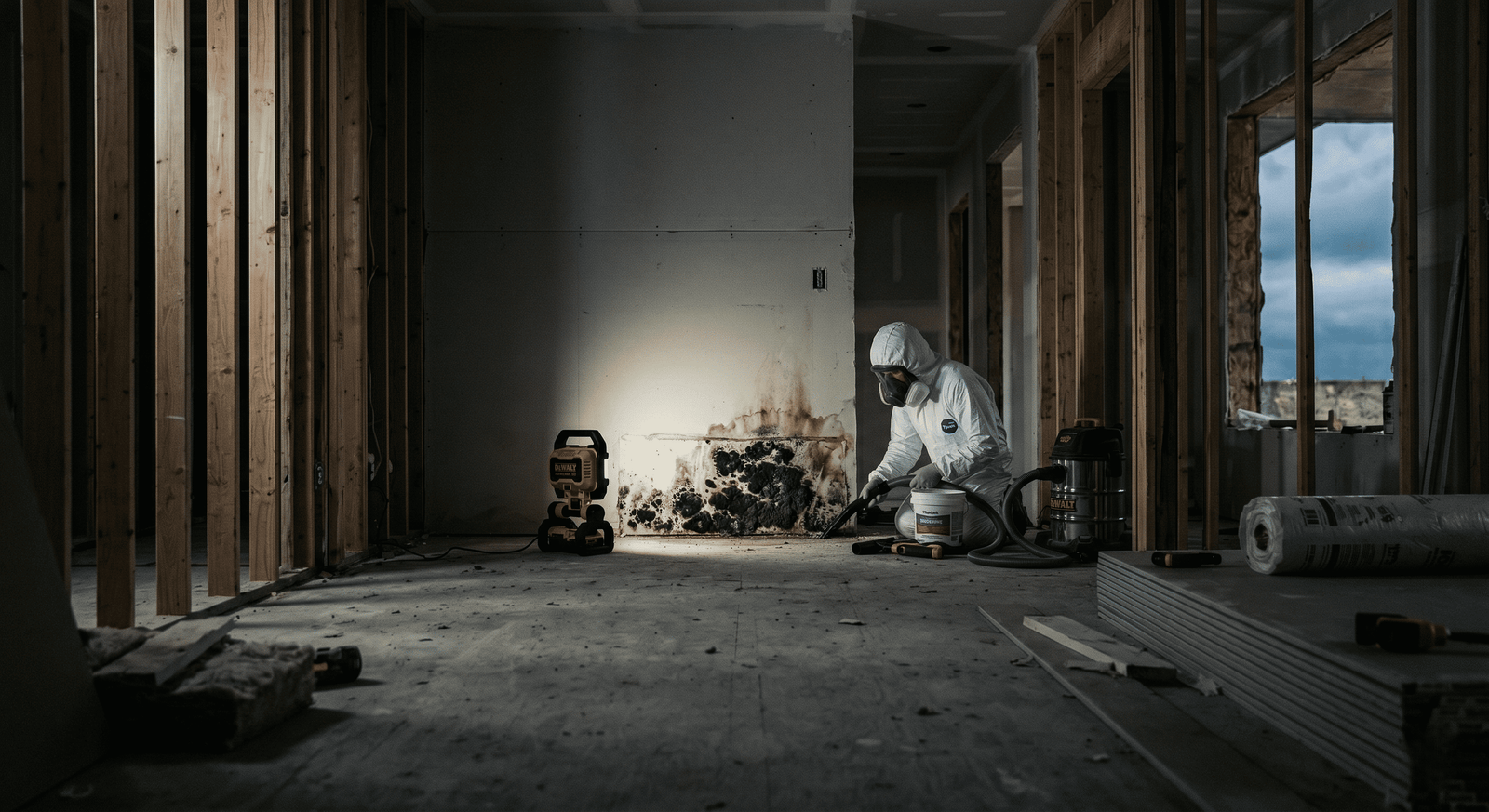
Mold Remediation Spokane WA
Professional mold remediation following IICRC S520 standards. Full containment, HEPA filtration, antimicrobial treatment, and post-remediation clearance testing. Works with all major insurance carriers.
Why Spokane Homes
Need Mold Remediation
Spokane's geography and climate create a combination of risk factors that make mold growth in residential properties not just common but nearly predictable in older housing stock. The Spokane River valley sits in a geographic bowl that traps humidity, especially during shoulder seasons when warm afternoon air flows down from surrounding hills and cools rapidly overnight. Valley floor neighborhoods — Peaceful Valley, Browne's Addition, the West Central District, and areas along the lower South Hill — experience prolonged periods of relative humidity that stress building envelopes continuously from October through March.
The clay-heavy soils that dominate Spokane's residential neighborhoods are particularly problematic for foundation moisture management. Unlike the sandy or gravelly soils found in drier eastern Washington communities, Spokane's clay soils hold water against foundation walls for extended periods after rain and snowmelt events. This sustained hydrostatic pressure forces moisture through even minor cracks in foundation masonry, creating the persistently damp basement conditions where mold thrives. Older drainage tile systems — installed in homes built before 1970 using clay or concrete sections rather than modern perforated plastic — frequently fail over time, eliminating the only drainage pathway that keeps basement walls dry.
Spokane's historic housing stock amplifies every one of these risks. A substantial portion of homes in Browne's Addition, the Perry District, Audubon Park, Cliff-Cannon, and the South Hill historic corridor were built between the 1920s and 1960s — decades before vapor barriers, house wrap, continuous insulation, or modern ventilation standards existed. These homes were constructed with masonry or wood-frame walls that rely on mass and drainage for moisture management rather than the barrier systems used today. Single-pane windows create cold interior surfaces where condensation accumulates during Spokane winters, wicking into surrounding framing and drywall with each temperature cycle.
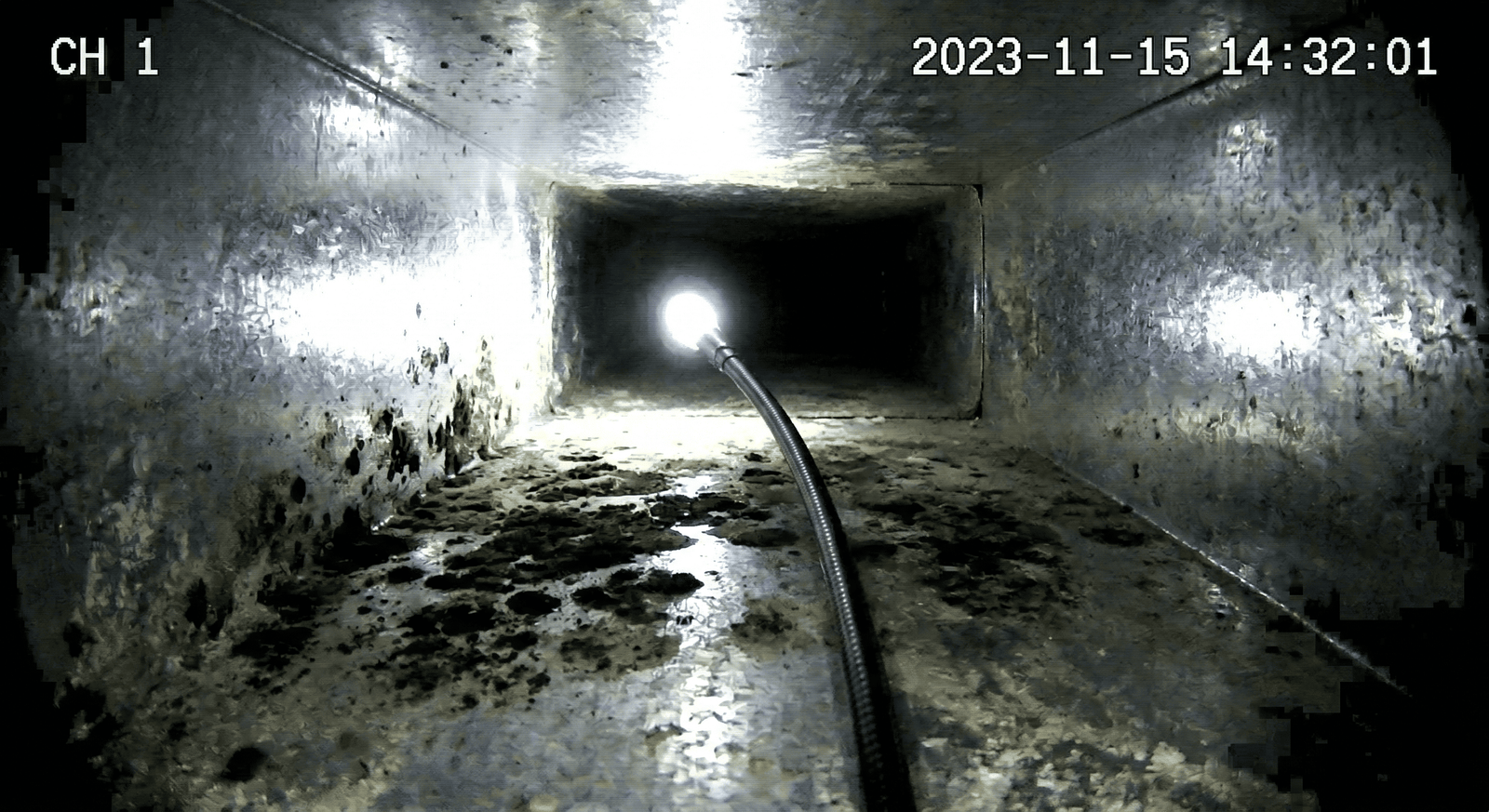
Freeze-thaw cycles are among the most destructive forces acting on Spokane building envelopes. Spokane averages roughly 27 freeze-thaw cycles per year — days where temperatures cross the 32°F threshold in both directions. Each cycle forces water that has infiltrated masonry joints, brick veneer ties, and concrete cracks to expand and contract, progressively widening gaps and opening new pathways for liquid water intrusion. Over decades, this process leaves older Spokane homes with foundation walls that are effectively permeable to moisture during wet weather.
Increasing temperature variance between Spokane's winters and summers accelerates condensation issues in modern homes as well. As summer cooling loads increase and central air conditioning becomes standard in homes that were originally designed without it, the interaction between cold conditioned air and warm humid outdoor air creates new condensation risk zones — particularly in improperly vapor-managed crawl spaces and attic spaces where air movement is limited.
Mold growth in Spokane homes is never purely cosmetic. Mold actively degrades the structural materials it colonizes — wood framing loses strength as mycelium consumes cellulosic material, drywall paper facing breaks down rapidly under mold colonization, and cellulosic insulation loses R-value as it becomes host to active growth. Beyond structural degradation, mold colonies release spores continuously into interior air, with concentrations spiking during HVAC cycling, physical disturbance, and humidity fluctuations. Acting promptly — ideally within 24 to 48 hours of a water damage event — is the single most effective action Spokane homeowners can take to prevent mold establishment. The EPA's mold remediation guidelines confirm that porous materials saturated by water must be dried within 24–48 hours or removed to prevent mold growth.
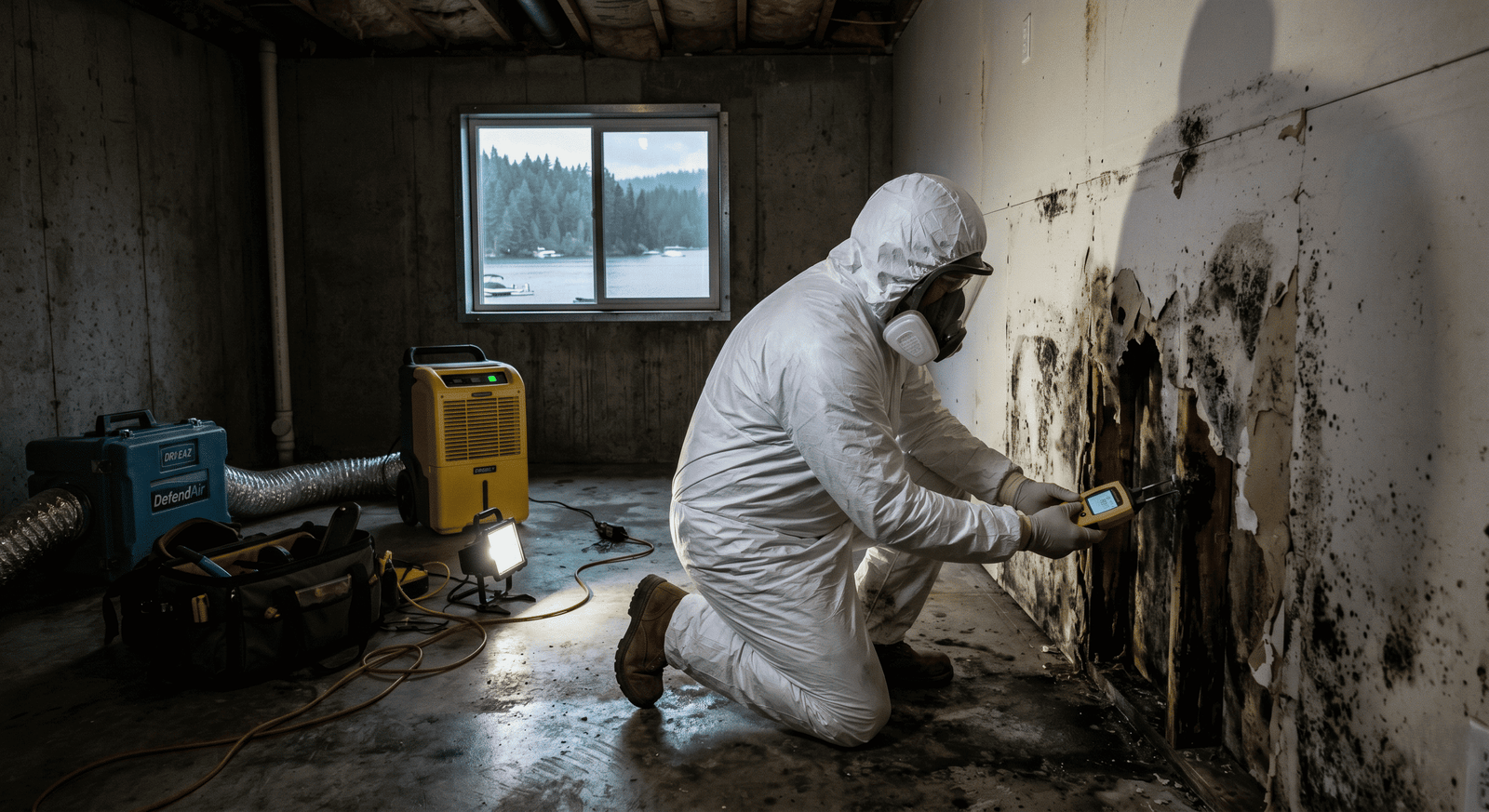
Our Mold Remediation
Process
Every remediation project follows the IICRC S520 Standard and Reference Guide for Professional Mold Remediation — the industry standard that defines proper containment, removal, treatment, and verification protocols.
Containment to
Clearance
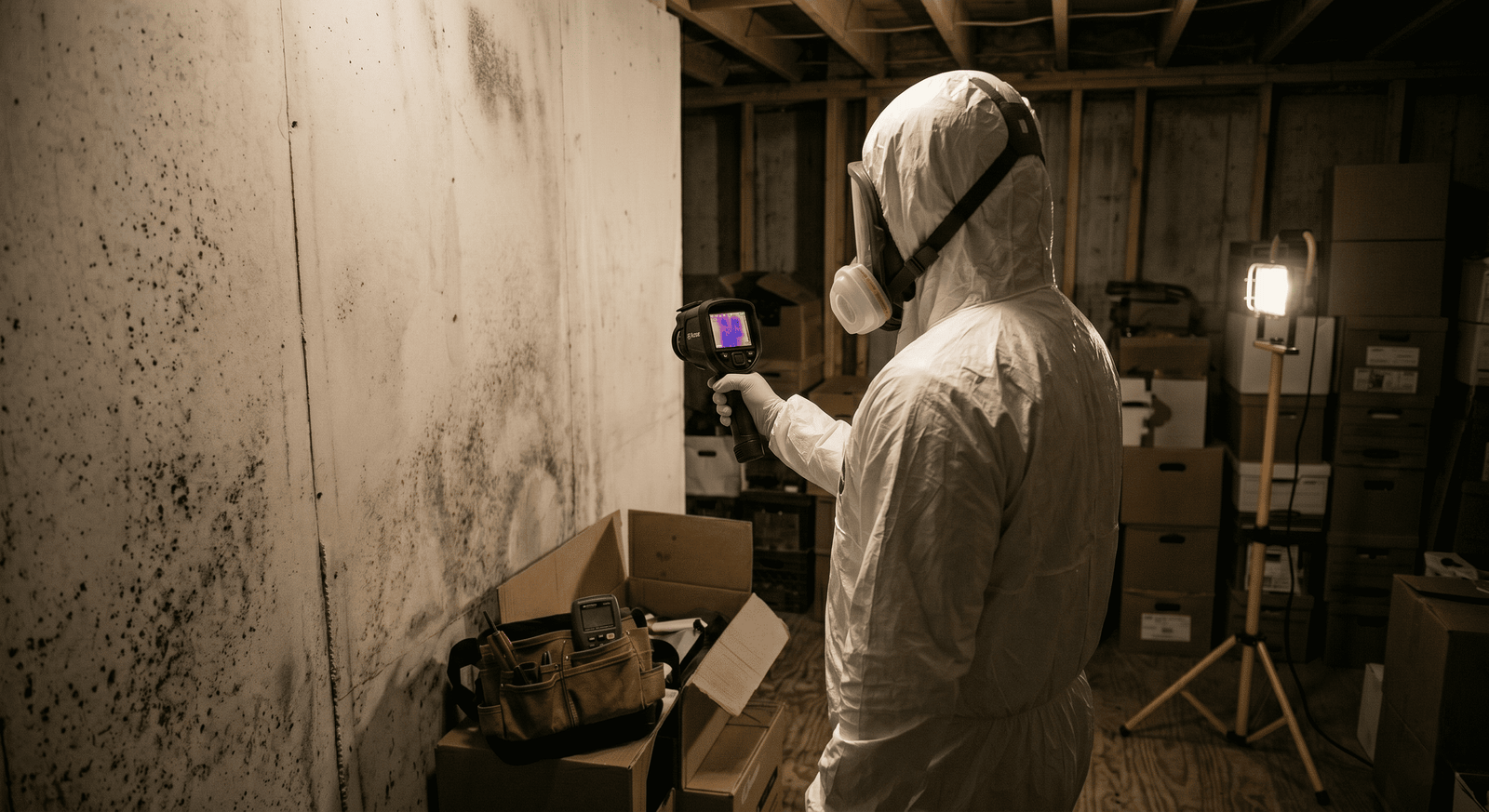
Assessment & Testing
A certified inspector uses thermal imaging and moisture meters to define the full extent of contamination — not just the area of visible growth, but the full moisture field that has affected building materials. Air and surface sampling establishes baseline spore counts by species, providing the pre-remediation data against which clearance testing will be compared. Scope definition at this stage determines what materials require removal, what can be cleaned, and whether HVAC involvement requires additional protocol. This step is not skipped — proceeding to remediation without a documented scope assessment leads to incomplete work and mold recurrence.
Containment Setup
Heavy-gauge poly barriers are sealed with spray adhesive and tape to physically isolate the work zone from the rest of the home. Negative air pressure machines — commercial units capable of moving several hundred cubic feet per minute — are positioned to maintain negative air pressure within the containment zone at all times. This ensures that airborne spores disturbed during removal are drawn into the machine's HEPA filtration system rather than migrating to clean areas. All HVAC supply and return vents within the work zone are sealed. Entry and exit to the containment zone is through a staged decontamination vestibule that prevents spore tracking into clean areas by workers moving in and out.
HEPA Air Scrubbing
Commercial air scrubbers equipped with true HEPA filtration — certified to capture particles 0.3 microns and larger at 99.97% efficiency — run continuously throughout the remediation process. Mold spores range from 2 to 100 microns in diameter; HEPA filtration captures them completely. Air changes per hour (ACH) within the containment zone are maintained at levels specified by the IICRC S520 standard based on the contamination classification level. Air scrubbers continue running during demolition, cleaning, and antimicrobial treatment phases, ensuring that spore concentrations within the work zone are continuously reduced even as disturbed colonies release spores into the air.
Removal & Disposal
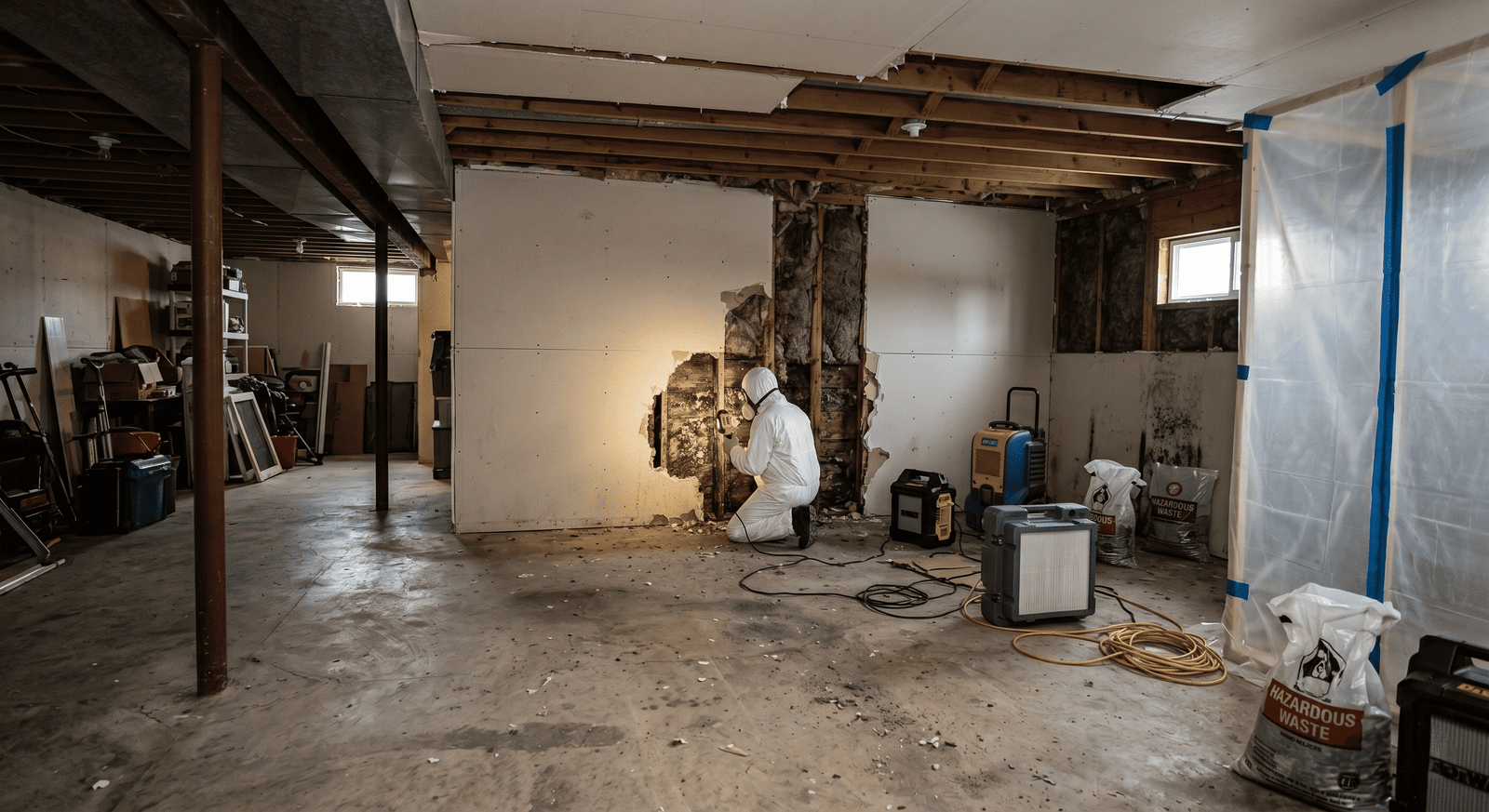
Mold-affected porous building materials that cannot be successfully cleaned — drywall, insulation, carpet and pad, water-damaged wood — are removed using hand tools and demolition equipment, then immediately sealed in 6-mil poly bags within the containment zone before transport. IICRC S520 defines clear protocols for which materials can be cleaned versus which require removal based on contamination level and material porosity. Non-porous surfaces (framing lumber, concrete, masonry) that are eligible for cleaning receive HEPA vacuum treatment to remove surface growth, followed by mechanical scrubbing and wet wipe-down. Disposal is handled per Washington state guidelines for mold-contaminated material.
Antimicrobial Treatment
EPA-registered antimicrobial agents — selected based on the specific mold species identified during pre-remediation testing — are applied to all treated structural surfaces, including exposed framing lumber, subfloor, masonry, and concrete. These agents penetrate porous materials to eliminate remaining surface contamination and provide a residual barrier that inhibits future fungal growth. Application methods include spray, brush, and roller depending on surface type and porosity. Treated surfaces are allowed appropriate dwell time before final HEPA vacuuming. The specific products used are documented in the project records and are disclosed to occupants.
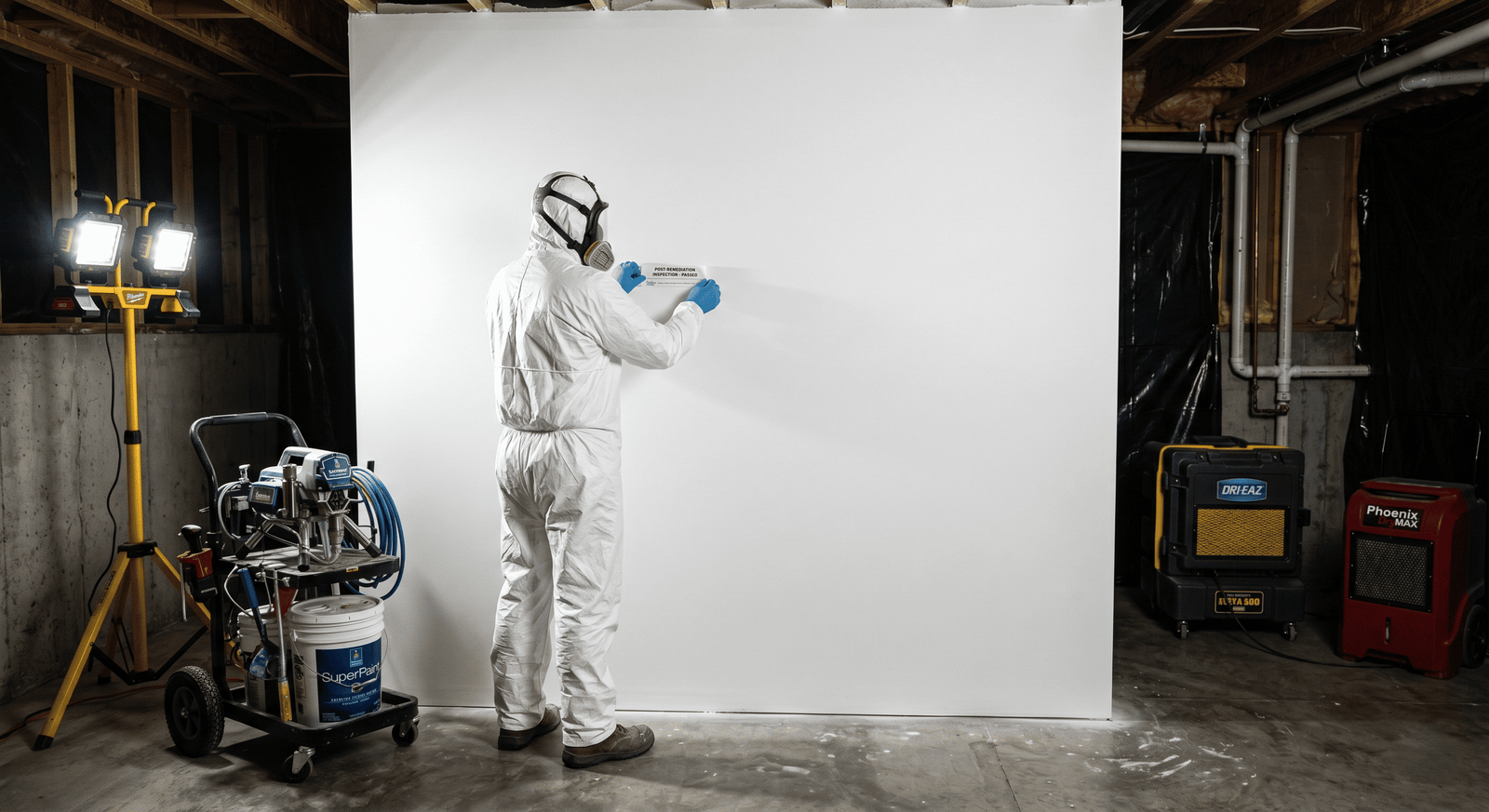
Clearance Testing
Post-remediation verification (PRV) testing is conducted by an independent third party — not the remediation contractor — to provide an unbiased confirmation that spore counts have returned to acceptable levels. Air samples are collected inside the formerly contaminated area and compared to outdoor control samples collected simultaneously. Clearance is confirmed when indoor spore counts are at or below outdoor control levels for the same species detected during pre-remediation testing. Only after clearance is confirmed does containment come down. The clearance report is provided to the property owner and formatted for submission to insurance carriers, mortgage lenders, and future real estate transaction buyers.
Rebuild & Restoration
After clearance is confirmed, structural materials are replaced — drywall hung and finished, insulation installed, flooring restored — and finished surfaces are painted and returned to pre-loss condition. Where underlying moisture issues contributed to the mold growth, corrective work is incorporated into the rebuild: vapor barriers in crawl spaces, drainage improvements, window and door reseal. Our restoration team coordinates directly with your insurance adjuster to ensure that all approved scope items are included in the rebuild, and that documentation of the complete project is formatted to support final insurance payment.
Before & After
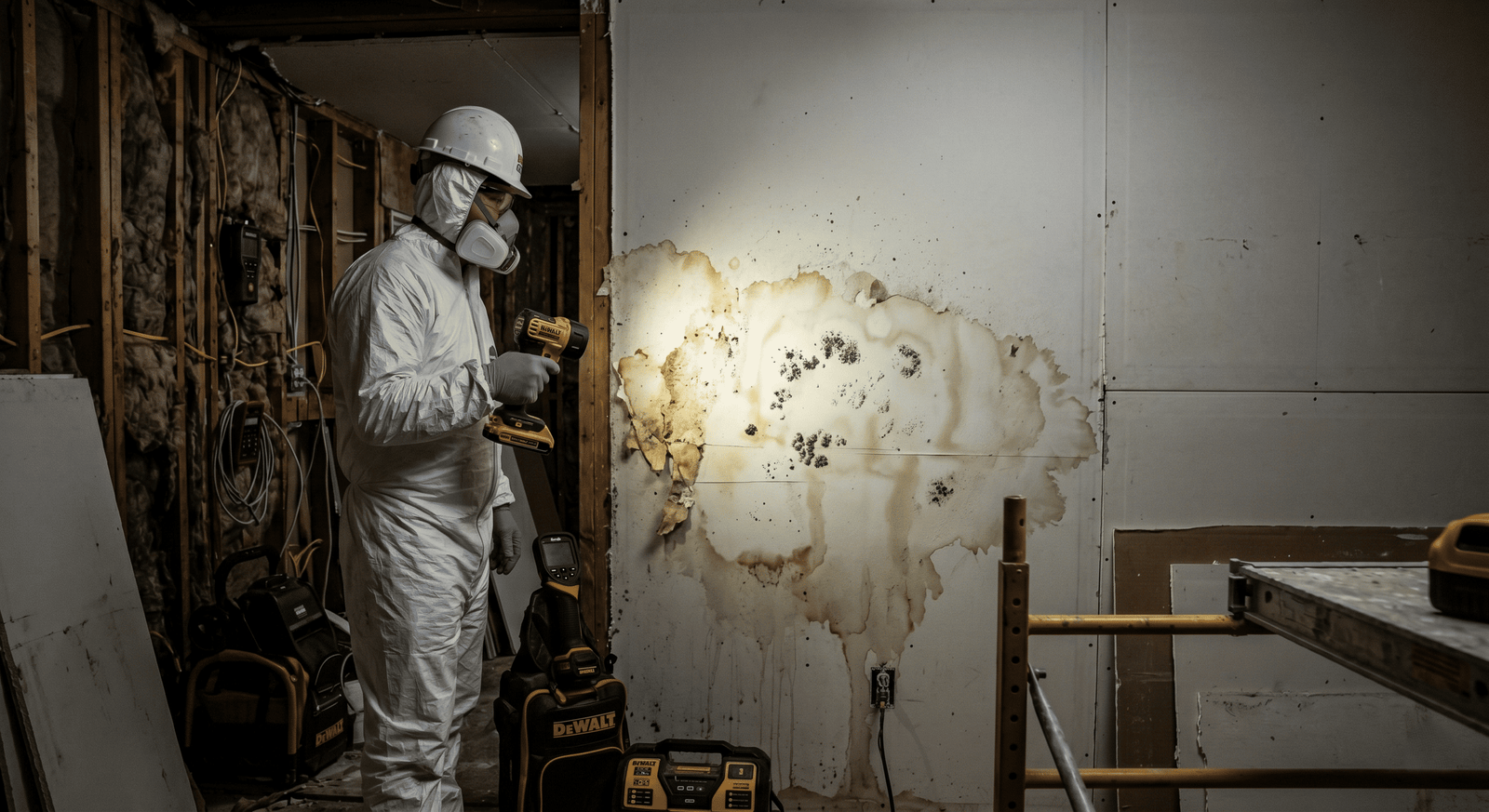
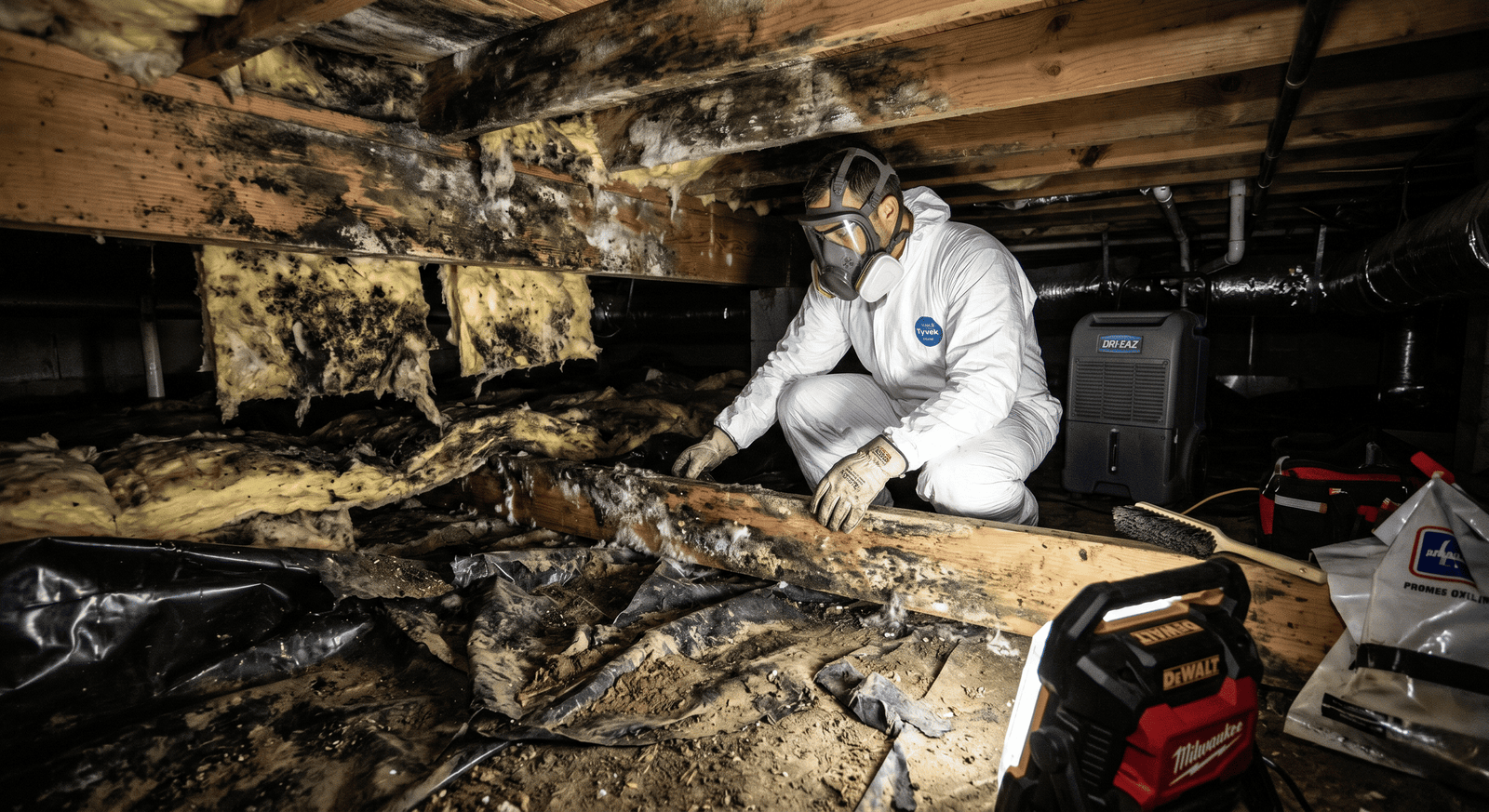
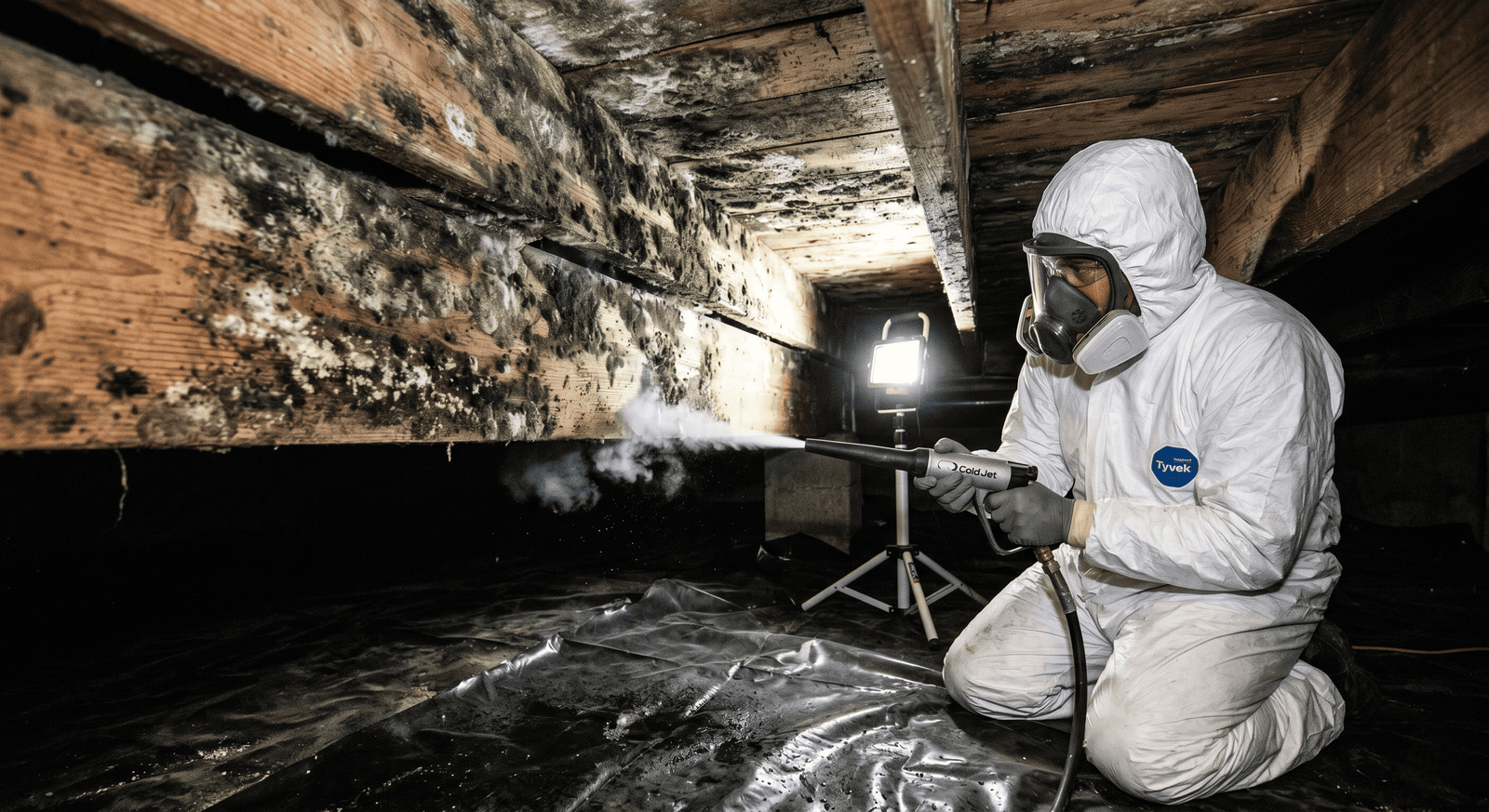
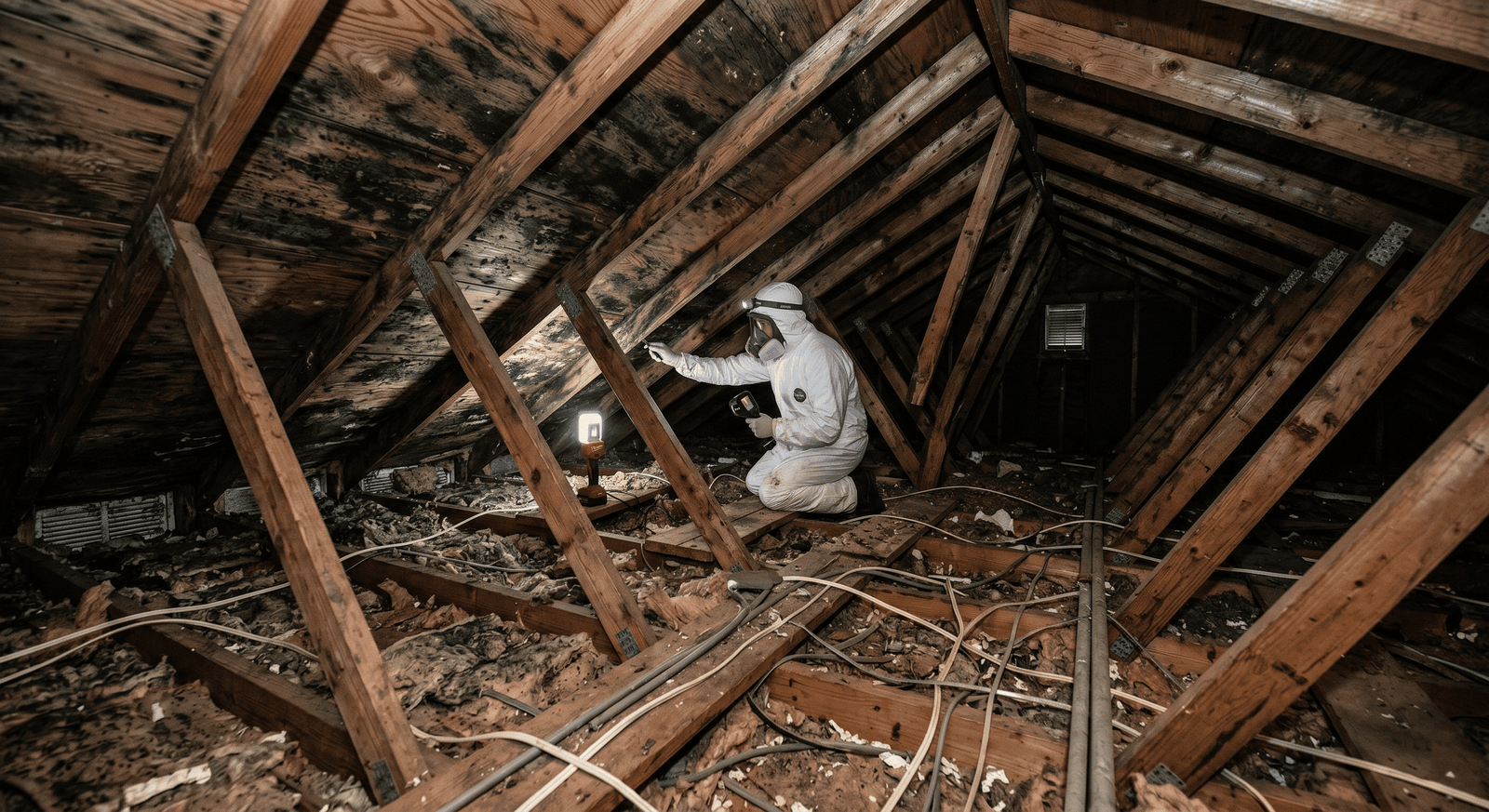
Every project is documented from first assessment through lab-verified clearance — active growth contained and removed, structural framing cleaned and treated, and the air confirmed clean before containment comes down.
Mold Remediation
Cost in Spokane
Remediation cost depends on contamination extent, mold species, location, structural involvement, and whether rebuild is required. We provide written scope and pricing before any work begins — no surprises.
Single bathroom, small closet, isolated patch. Limited material removal, minimal rebuild. Often completed in 1–2 days.
Multiple rooms, crawl space, basement section, or HVAC involvement. Drywall and insulation removal typical. 3–7 days with clearance testing.
Whole-home, attic, structural involvement, or significant rebuild. Full project management with insurance coordination. 2–4 weeks total.
Insurance coordination: We work directly with all major carriers — State Farm, Allstate, Farmers, PEMCO, Safeco, and others — and provide the complete documentation package adjusters require: scope of work, moisture logs, photo documentation, pre- and post-remediation testing reports, and itemized cost breakdowns. Mold remediation resulting from a covered water damage event is typically covered under standard Washington homeowners policies. Call (509) 262-3150 and we'll walk through the insurance process with you before any work begins.
Inside Real Spokane
Mold Projects
Containment, testing, removal, and verification across Spokane and the Inland Northwest — from attic sheathing to crawl space joists, basements to HVAC systems.
Health Risks of
Untreated Mold
The mold species most commonly found in Spokane homes each produce different health effects and require different remediation approaches. Cladosporium — found on cool, condensation-prone surfaces like window frames, exterior walls, and tile grout in poorly ventilated bathrooms — is among the most common allergenic molds encountered in Pacific Northwest homes. It produces spores that trigger allergic rhinitis and eye irritation in sensitive individuals at relatively low concentrations.
Penicillium and Aspergillus are the mold genera most commonly found colonizing water-damaged building materials in Spokane — drywall paper, wood framing, and cellulosic insulation. Several species within these genera produce mycotoxins, secondary metabolites that can cause respiratory irritation, headaches, and immune system effects beyond simple allergenic response. Aspergillus species are particularly significant for immune-compromised individuals, the elderly, and infants — populations for whom mold exposure carries elevated risk of serious respiratory infection.
Stachybotrys chartarum — the black mold frequently referenced in media coverage of mold health issues — requires a persistently wet environment to grow, which means its presence in a Spokane home is always a sign of a serious, ongoing moisture problem rather than a typical condensation situation. Stachybotrys produces trichothecene mycotoxins associated with severe respiratory symptoms, and its remediation requires strict IICRC Level III protocols with full containment and respiratory protection for workers.
Health effects from mold exposure vary widely by species, concentration, individual sensitivity, and duration of exposure. The most common presentations include persistent respiratory irritation (coughing, wheezing, nasal congestion), allergic symptoms that are disproportionate to the time of year, worsening asthma control, eye irritation, and skin rashes. A characteristic pattern — symptoms improving significantly when away from the home and worsening upon return — is one of the strongest indicators that indoor mold exposure is contributing to a health problem.
Children, the elderly, pregnant women, and anyone with a compromised immune system or pre-existing respiratory condition face elevated risk from mold exposure at concentrations that might not produce noticeable symptoms in a healthy adult. For these populations, acting promptly to investigate and remediate suspected mold is not optional — it's a health necessity.
Mold can begin establishing in wet porous building materials within 24–48 hours of water saturation. Acting within this window — contacting a certified remediation professional and beginning emergency drying — is the most effective intervention to prevent mold growth entirely. If you have experienced a water damage event, call (509) 262-3150 now.
We Work With
Your Insurance
Navigating an insurance claim while dealing with mold in your home is stressful. We handle the documentation, communication, and coordination so you can focus on your family.
Direct Billing
We bill all major carriers directly — State Farm, Allstate, Farmers, PEMCO, Safeco, and others. No upfront payment required for covered claims. We coordinate payment directly with your adjuster.
Complete Documentation
Our documentation package includes scope of work, moisture readings, pre- and post-remediation testing reports, photo documentation, and itemized cost breakdowns formatted to the standards adjusters require.
Scope Writing
We write the remediation scope based on inspection findings, ensuring that all affected materials and areas are included in the approved scope before work begins — preventing disputes over additional work after the project starts.
Adjuster Coordination
Our project managers communicate directly with your insurance adjuster throughout the project, answering technical questions, providing supplemental documentation if requested, and ensuring timely claim processing.
From Emergency Call
to Completed Restoration
Emergency Call
Call (509) 262-3150 — 24/7 response. We dispatch a certified inspector within 60 minutes for emergency situations. Same-day assessment scheduling for non-emergency situations.
Assessment & Testing
Thermal imaging, moisture meters, and air sampling define the full extent of contamination and establish baseline spore counts. Remediation scope and pricing provided in writing before work begins.
Containment Setup
Poly barriers sealed with negative air pressure machines isolate the work zone. All HVAC vents in the containment area sealed. Decontamination vestibule established for worker entry and exit.
Removal & Treatment
Mold-affected materials removed and disposed. Non-porous surfaces HEPA vacuumed and cleaned. EPA-registered antimicrobial agents applied to all treated structural surfaces.
Clearance Testing
Independent third-party air sampling confirms spore counts have returned to acceptable levels before containment is removed. Written clearance report provided for insurance and future transactions.
Rebuild
Structural materials replaced, drywall installed and finished, surfaces painted and restored to pre-loss condition. Underlying moisture issues corrected to prevent recurrence.
4.9 Stars Across
312 Reviews
"We had black mold in our basement after a slow pipe leak that went undetected for months. The team contained the area immediately, removed all affected drywall and insulation, and the clearance testing confirmed success. Our insurance covered most of it. Professional, fast, and they explained every step."
"After buying a home in Spokane Valley, we discovered mold in the crawl space during our first week. They assessed the entire crawl space, installed new vapor barrier after remediation, and the lab clearance report gave us real peace of mind. Worth every cent."
"Attic mold from a slow roof leak — I had no idea until the home inspector caught it. The remediation team was thorough, contained everything properly, and coordinated directly with our insurance adjuster. Back to normal in under a week."
Mold Remediation Across
The Inland Northwest
IICRC certified mold remediation available 24/7 throughout Spokane and surrounding communities.
Mold Remediation
FAQ
The cost of mold remediation in Spokane depends on mold type, location, materials affected, the size of the affected area, and whether rebuild is required after removal. Small isolated areas under 10 square feet are the most economical, while medium infestations and large or structural infestations exceeding 100 square feet require more scope. We provide a free written estimate before any work begins.
Washington homeowners insurance typically covers mold remediation when the mold resulted from a covered sudden and accidental event, such as a burst pipe, appliance leak, or storm damage. Mold from gradual moisture issues, flooding, or deferred maintenance is generally excluded. We work directly with all major insurance carriers and provide complete documentation to support your claim.
Small remediation projects (single bathroom, isolated crawl space area) typically take 1–3 days. Medium projects with multiple rooms or structural involvement take 3–7 days. Large whole-home remediations with rebuild can take 2–4 weeks. Timeline includes setup, remediation, drying time, clearance testing, and rebuild.
It depends on the scope and location. For small isolated areas with proper containment, occupants can often remain in unaffected parts of the home. For large infestations, HVAC-involved mold, or when containment affects primary living areas, temporary relocation is recommended. We assess each situation individually and provide guidance before work begins.
The most common causes of mold in Spokane homes include burst or slow-leaking pipes (especially during the November–March freeze season), inadequate crawl space vapor barriers, basement moisture intrusion from Spokane's clay-heavy soils, improper bathroom and kitchen ventilation, roof leaks after heavy snow loads, and condensation on cold exterior walls during winter. Spokane's temperature swings between cold dry winters and warm summers create repeated moisture stress on building envelopes.
Yes — clearance testing by an independent third party is the only way to confirm remediation was successful. Post-remediation verification (PRV) testing compares spore counts to outdoor control samples and ensures levels have returned to normal. We facilitate clearance testing and provide documentation suitable for insurance reimbursement and future property transactions.
Stachybotrys chartarum, commonly called black mold, is less common than other mold species but does occur in Spokane homes — typically in areas with chronic moisture problems like basements with persistent water intrusion, crawl spaces without vapor barriers, or areas with long-term roof leaks. Black mold requires a consistently wet environment (water activity above 0.9) to grow, so it's more of a sign of a serious ongoing moisture problem than a common finding.
Get a Free
Assessment
We respond to every inquiry within the hour. For emergencies call directly — we answer 24/7.